Ever seen someone write, “That movie absolutely harrowed me,” and wondered what they actually meant? You’re not alone. While newer internet slang grabs most of the spotlight, classic words like harrow are quietly making a comeback in social media captions, dramatic TikTok reviews, Reddit threads, and even meme culture.
The harrow meaning is more emotional and intense than most people expect. It’s one of those words that instantly adds weight to a sentence. Instead of simply saying something was “sad” or “upsetting,” calling it harrowing makes it feel unforgettable.
Updated for 2026, this guide breaks down exactly what harrow means, where it came from, how people use it online today, and the biggest mistakes people make with it. You’ll also see real conversation examples, related slang terms, and platform-specific usage tips so you can sound natural — not like a dictionary bot.
What Does “Harrow” Mean? (Definition + Origin)
Quick Answer:
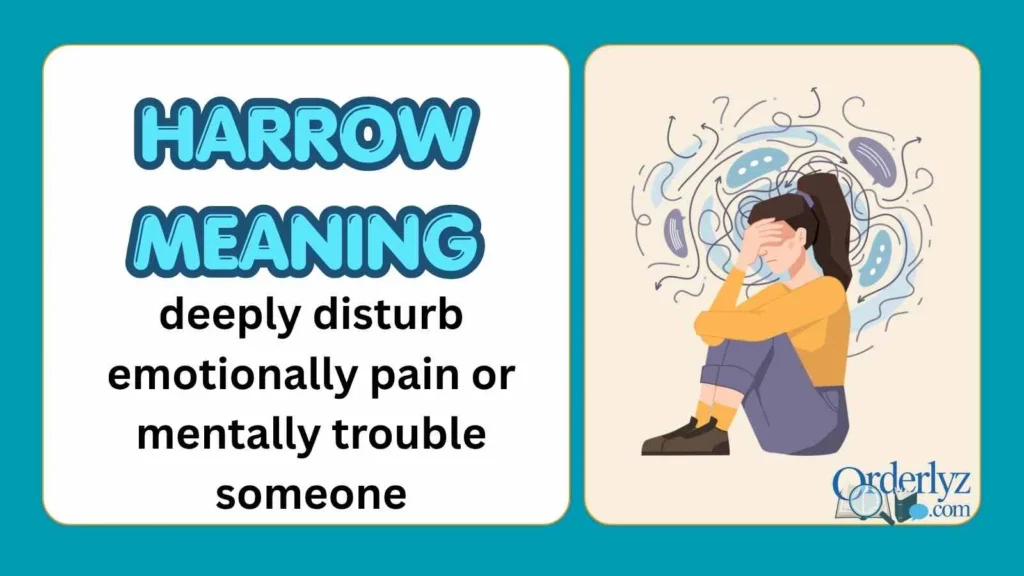
Harrow means to deeply disturb, emotionally pain, or mentally trouble someone. It’s often used when something feels shocking, traumatic, heartbreaking, or emotionally intense.
The word harrow originally comes from Old English and was connected to farming tools used to break up soil. Over time, the meaning evolved metaphorically. Just like soil gets torn apart by a harrow tool, a person’s emotions can feel “torn up” after a painful experience.
Today, the word is mostly used emotionally rather than literally.
Simple Definition
If something harrows you, it:
- shocks you emotionally
- leaves you disturbed
- causes deep sadness or anxiety
- stays in your mind for a long time
Pronunciation Guide
Harrow is pronounced:
HAIR-oh
(/ˈhæroʊ/)
How the Meaning Evolved
Back in older literature, harrow often appeared in religious or poetic writing. Fast-forward to modern internet culture, and people now use it dramatically online:
- “That ending harrowed me.”
- “This documentary is genuinely harrowing.”
- “Bro, that plot twist ruined me emotionally.”
It’s especially common in:
- film reviews
- emotional storytelling
- trauma discussions
- dramatic meme captions
- true crime communities
How to Use “Harrow” Correctly in Texts & Chat
The word here is emotional intensity.
You wouldn’t use harrow for minor annoyances. Your coffee order being wrong? Not harrowing. Accidentally liking an old Instagram photo? Embarrassing, yes. Harrowing? Probably not.
Best Contexts for Using Harrow
Use it when describing:
- tragic news
- emotional movies
- disturbing stories
- traumatic memories
- heartbreaking experiences
- shocking documentaries
Tone & Vibe
The word usually sounds:
- serious
- dramatic
- reflective
- emotionally heavy
Sometimes people use it jokingly for exaggeration:
- “That math exam harrowed me for life.”
Platform-Specific Usage
SMS & WhatsApp
Usually appears in emotional conversations or dramatic storytelling.
Example:
- “That podcast episode genuinely harrowed me.”
Instagram & TikTok
Often used in captions reviewing emotional media.
Example:
- “This film was beautiful and completely harrowing.”
Discord & Gaming Chats
Used less formally, often exaggerated for humor.
Example:
- “That boss fight harrowed the entire squad.”
Very common in:
- movie discussions
- true crime forums
- relationship stories
- emotional confession threads
X (formerly Twitter)
Popular in reactions to:
- news events
- viral videos
- documentaries
- political discussions
When NOT to Use It
Avoid using harrow:
- in professional emails
- during casual workplace chats
- for tiny inconveniences
- in formal academic writing unless appropriate
Formatting Tips
People commonly pair it with:
- 😭
- 💀
- “literally”
- “genuinely”
- “emotionally”
Examples:
- “That ending genuinely harrowed me 😭”
- “I’m emotionally harrowed after that finale.”
Real Conversation Examples Using “Harrow”
Between Friends
Ava: “Did you watch that documentary last night?”
Mia: “Yeah… it completely harrowed me.”
Meaning: Mia feels emotionally shaken and disturbed by what she watched.
In a Dating Chat
Jake: “Why are you so quiet?”
Lena: “That breakup scene in the movie harrowed me a little too much.”
Meaning: She’s emotionally affected and still processing the scene.
Family Group Chat
Mom: “The news today was heartbreaking.”
Son: “Honestly, those interviews were harrowing to watch.”
Meaning: The content felt emotionally painful and serious.
Gaming Discord
Player 1: “How was the horror campaign?”
Player 2: “Absolutely harrowing. I screamed twice.”
Meaning: Used dramatically to emphasize fear and emotional stress.
Work Chat (Semi-Casual)
Coworker: “How was the client presentation?”
Employee: “Harrowing, but we survived.”
Meaning: Exaggerated humor. The speaker means it was stressful.
Common Mistakes & Misunderstandings
1. Using Harrow for Small Problems
Incorrect:
- “My fries were cold. Truly harrowing.”
Unless you’re joking sarcastically, this sounds overly dramatic.
2. Confusing Harrow With Horror
Some people think harrow means “scary.” It can involve fear, but the core meaning is emotional distress — not necessarily horror.
3. Thinking It’s Slang Only
Even though people use it online, harrow is actually a traditional English word with centuries of history.
Generational Confusion
Gen Z
Often uses it dramatically or humorously.
Example:
- “That chemistry exam harrowed me.”
Millennials
Use it more literally in emotional discussions.
Older Generations
May associate it more with literature or formal speech.
Cultural Differences
In some regions, especially outside English-speaking countries, harrow sounds highly formal or literary. Non-native speakers may rarely hear it in daily conversation.
How to Clarify It
If someone doesn’t understand:
- “I mean it emotionally disturbed me.”
- “It was really upsetting.”
- “It hit me hard emotionally.”
“Harrow” Across Different Platforms & Demographics
Gen Z Usage
Gen Z loves dramatic emotional language online. Harrow fits perfectly because it sounds intense but slightly theatrical.
TikTok examples:
- “This ending harrowed an entire generation.”
- “Why would they make a movie this emotionally harrowing?”
Millennials
Millennials often use it sincerely during discussions about:
- mental health
- documentaries
- emotional TV shows
- parenting stories
Older Adults
Older speakers are more likely to encounter harrow in:
- books
- journalism
- historical writing
- religious texts
Is Harrow Formal or Informal?
It sits in a weird middle ground.
| Context | Appropriate? |
|---|---|
| Casual texting | Yes |
| TikTok captions | Yes |
| Academic essays | Sometimes |
| Professional emails | Usually no |
| News articles | Yes |
| Literature reviews | Yes |
Is It Safe for Work?
Generally yes. The word itself isn’t offensive. It just carries emotional heaviness.
Viral Popularity
The rise of:
- psychological horror films
- true crime podcasts
- emotional storytelling on TikTok
- “trauma dumping” culture online
…has helped revive emotionally loaded words like harrow and harrowing.
Related Slang, Abbreviations & Alternatives
| Term | Meaning |
|---|---|
| Disturbing | Emotionally unsettling |
| Traumatizing | Causing lasting emotional pain |
| Devastating | Extremely heartbreaking |
| Gut-wrenching | Emotionally painful |
| Heavy | Emotionally intense |
| Shocking | Surprising in a disturbing way |
| Dark | Emotionally grim or serious |
| Emotional damage | Meme phrase for emotional pain |
| Nightmare fuel | Extremely disturbing content |
| Unsettling | Mildly disturbing or creepy |
Synonyms
- distress
- upset
- torment
- traumatize
- devastate
Casual Alternatives
- “That wrecked me.”
- “I’m emotionally destroyed.”
- “That hit hard.”
- “I wasn’t prepared for that.”
Suggested Internal Link Anchors
- Learn more about “emotional damage” slang
- What does “mid” mean online?
- Full guide to “NPC” slang
- Understanding “delulu” meaning
- What does “FR” mean in texting?
FAQs:
What does harrow mean in texting?
In texting, harrow usually means something emotionally upset or deeply disturbed the speaker. It’s often used dramatically after sad news, emotional shows, or stressful experiences.
Is harrow a positive or negative word?
It’s mostly negative. Harrow describes emotional pain, shock, distress, or suffering. Even when used humorously, the underlying meaning is emotionally intense.
Can harrow be used jokingly?
Yes. Online users sometimes exaggerate for humor:
- “That group project harrowed me emotionally.”
The dramatic tone is often part of the joke.
What is the difference between harrowing and sad?
Sad is broad and mild. Harrowing suggests deep emotional trauma, shock, or distress. A sad movie may make you cry. A harrowing movie stays with you for days.
Is harrow old-fashioned?
Somewhat, but it’s still actively used today. Social media and internet culture have actually revived many older dramatic words like harrow, uncanny, and devastating.
Why do movie reviewers use ‘harrowing’ so often?
Because it communicates emotional intensity quickly. Critics use harrowing to describe films that deeply affect viewers psychologically or emotionally.
Conclusion:
The harrow meaning goes far beyond simple sadness. It describes emotional experiences that disturb, shake, or deeply affect someone — the kind that linger long after the moment ends.
Even though the word has ancient roots, it fits surprisingly well into modern internet culture. From TikTok reactions to movie reviews and dramatic group chats, harrow gives emotional conversations extra weight.
Used correctly, it makes your writing and speech sound sharper, more expressive, and emotionally precise. Just maybe don’t call your missing fries “harrowing” unless you’re aiming for Oscar-level drama.
Drop your favorite text abbreviation or dramatic slang phrase in the comments below — internet language evolves faster than anyone can keep up with.

Hi, I’m Sophia Brownn, the creator behind Orderlyz.com, where words, meanings, and expressions are made simple, clear, and easy to understand.
I believe language shouldn’t feel confusing or overwhelming. In a world where new slang, trends, and expressions appear every day, my goal is to bring order to the chaos. I break down meanings in a way that feels natural, quick, and actually useful in real life conversations.