You’re shopping for homeowners insurance, reading policy documents that feel like they were written by a stressed-out robot lawyer, and suddenly you see the phrase “dwelling coverage”.
Now you’re wondering:
Is that the whole house? Just the walls? The roof? Your garage? The weird expensive kitchen sink you regret buying?
Understanding dwelling coverage’s meaning is one of the most important parts of buying home insurance — because this is the section that helps pay to repair or rebuild your house after serious damage.
And honestly? A lot of homeowners don’t fully understand it until they actually need it. Not ideal.
In this guide, you’ll learn:
- What dwelling coverage really means
- What it covers (and what it doesn’t)
- How insurance companies calculate it
- The difference between market value and rebuild cost
- Real-world claim examples
- Common mistakes homeowners make
Updated for 2026, this is the beginner-friendly, plain-English guide insurance companies probably should’ve handed you first.
What Does “Dwelling Coverage” Mean? (Definition + Origin)
Dwelling coverage is the part of a homeowner’s insurance policy that protects the physical structure of your home.
If your house is damaged by a covered event, like:
- Fire
- Windstorms
- Hail
- Lightning
- Vandalism
Your dwelling coverage helps pay for repairs or rebuilding.
Quick Answer
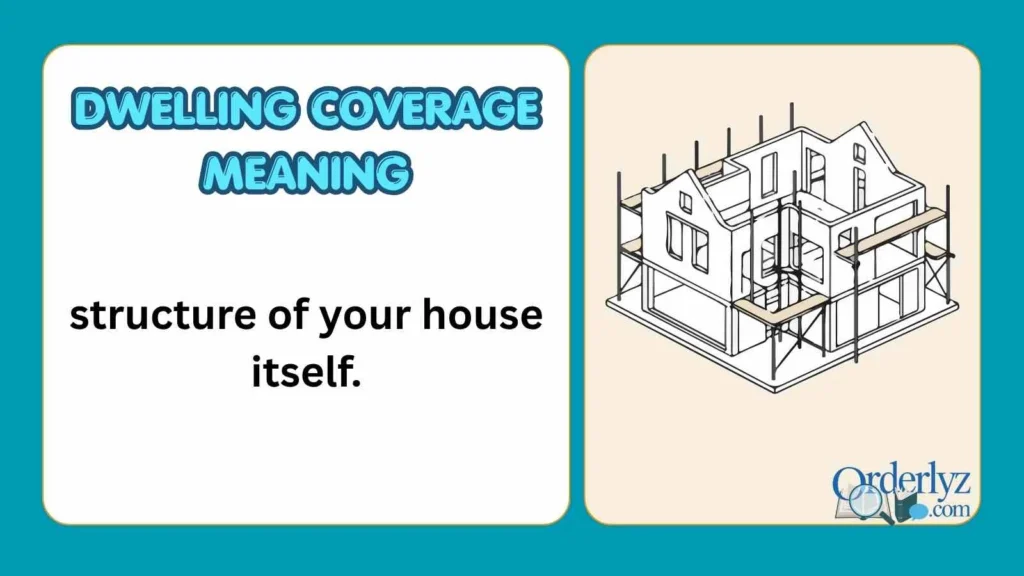
Dwelling coverage protects the structure of your house itself. It usually covers walls, roofs, floors, ceilings, attached garages, plumbing, electrical systems, and built-in features damaged by covered insurance risks.
Why Is It Called “Dwelling”? Coverage?
In insurance language, a “dwelling” simply means the residential structure where you live.
Insurance companies use the term to separate the following:
- The house itself
from - Your belongings
- Liability protection
- Detached structures
- Temporary living expenses
That’s why policies often label it as the following:
Coverage A — Dwelling
This is typically the main section of your homeowners insurance policy.
How Dwelling Coverage Evolved
Home insurance originally focused mostly on fire protection in the late 1800s and early 1900s.
Over time, policies expanded to include:
- Storm damage
- Theft
- Vandalism
- Falling objects
- Water damage from plumbing issues
Modern dwelling coverage is now designed to handle increasingly expensive rebuilding costs due to the following:
- Inflation
- Labor shortages
- Material prices
- Severe weather events
And yes, lumber prices alone have caused many homeowners emotional damage.
Pronunciation Guide
“Dwelling” is pronounced
DWEH-ling
Not:
“Dwell-ing-uh.”
English really keeps everybody humble.
How to Use “Dwelling Coverage” Correctly in Insurance Conversations
Dwelling coverage usually comes up during the following:
- Buying home insurance
- Filing claims
- Mortgage approval
- Home rebuilding discussions
Common Ways People Use the Phrase
- “What’s my dwelling coverage limit?”
- “Does dwelling coverage include the garage?”
- “I need higher dwelling coverage after renovations.”
- “My insurance company increased my dwelling coverage.”
In simple terms, people use it as shorthand for the following:
“How much protection do I have for my actual house?”
What Dwelling Coverage Typically Covers
Here’s what most standard homeowners insurance policies include.
Structural Components
Usually covered:
- Walls
- Roof
- Ceilings
- Floors
- Foundation
If a covered event damages these areas, dwelling coverage may help pay for repairs.
Attached Structures
Usually covered:
- Attached garage
- Deck connected to the house
- Built-in porch
Detached structures may fall under separate coverage.
Built-In Systems
Most policies include:
- Electrical wiring
- Plumbing systems
- HVAC systems
- Water heaters
Basically, things physically attached to the home itself.
Built-In Appliances & Fixtures
Common examples:
- Cabinets
- Countertops
- Bathtubs
- Built-in ovens
- Light fixtures
If it’s permanently installed, there’s a good chance dwelling coverage applies.
What Dwelling Coverage Does NOT Cover
This is where many homeowners get confused.
Personal Belongings
Your:
- TV
- Laptop
- Furniture
- Clothing
usually fall under:
Personal Property Coverage
Not dwelling coverage.
Flood Damage
Standard homeowners insurance usually does NOT cover flooding.
Flood insurance is often separate.
This surprises homeowners every single year.
Earthquakes
Earthquake protection also usually requires separate coverage.
Wear & Tear
Insurance is for sudden damage — not gradual neglect.
Usually NOT covered:
- Old roofs wearing out
- Mold from long-term leaks
- Maintenance problems
Insurance companies expect homeowners to maintain the property.
Platform-Specific Usage: Insurance Apps & Online Quotes
Modern insurance apps now show dwelling coverage prominently because homeowners compare policies digitally.
You’ll commonly see:
- Coverage A
- Dwelling limit
- Estimated rebuild cost
Apps from insurers often calculate this automatically using:
- Square footage
- Construction type
- Zip code
- Local labor costs
Real-Life Examples Using Dwelling Coverage
Let’s make this practical.
Example 1: House Fire
Situation:
A kitchen fire damages the following:
- Cabinets
- Walls
- Ceiling
- Flooring
Result:
Dwelling coverage may pay for rebuilding and repairs.
Emotional Translation:
Your insurance steps in before your wallet starts hyperventilating.
Example 2: Windstorm Damage
Situation:
A storm tears shingles off your roof and damages siding.
Result:
Dwelling coverage typically helps pay for repairs if wind damage is included in your policy.
Example 3: Burst Pipe
Situation:
A frozen pipe bursts and damages walls and flooring.
Result:
The structural repairs may fall under dwelling coverage.
Example 4: Detached Shed Damage
Situation:
A tree falls on a backyard shed.
Result:
Usually NOT dwelling coverage.
This often falls under the following:
Other Structures Coverage
Different category.
Example 5: Stolen Laptop
Situation:
A burglar steals electronics from your house.
Result:
Not dwelling coverage.
That’s typical:
Personal Property Coverage
Different insurance bucket entirely.
Common Mistakes & Misunderstandings
Homeowners misunderstand dwelling coverage constantly.
Honestly, insurance terminology doesn’t help.
1. Confusing Market Value With Rebuilding Cost
This is the biggest mistake.
Your home’s:
- Real estate market value
≠ - Rebuilding cost
Market value includes the following:
- Land value
- Neighborhood demand
- School districts
Dwelling coverage focuses on reconstruction costs only.
2. Assuming Everything Inside the House Is Covered
People often think:
“If it’s inside my home, dwelling coverage covers it.”
Not true.
The structure and belongings are separate categories.
3. Being Underinsured After Renovations
Renovations increase rebuilding costs.
If you upgrade:
- Kitchens
- Bathrooms
- Flooring
- Additions
You may need higher dwelling coverage limits.
Otherwise, you risk underinsurance.
Generational Differences in Understanding Insurance
Younger Homeowners
First-time buyers often focus only on:
- Monthly premiums
Instead of:
- Coverage quality
That can backfire badly during claims.
Older Homeowners
Long-term homeowners sometimes forget to update dwelling limits after rising construction costs.
Inflation changes everything.
Regional Differences
Dwelling coverage needs vary depending on the following:
- Weather risks
- Local labor costs
- Building materials
- Disaster exposure
Homes in hurricane or wildfire regions often require much higher coverage limits.
Dwelling Coverage Across Insurance Policies & Demographics
HO-3 Policies
The most common type of homeowners insurance in the U.S.
It usually includes broad dwelling coverage protections.
Condo Insurance
Condo owners may have more limited dwelling coverage because the HOA often covers exterior structures.
Landlord Insurance
Rental property policies also include dwelling coverage, but with different terms than owner-occupied homes.
Is dwelling coverage required?
Mortgage lenders almost always require homeowners’ insurance with adequate dwelling coverage.
No lender wants to finance a house that can’t be rebuilt after damage.
Reasonable, honestly.
How Much Dwelling Coverage Do You Need?
Experts usually recommend enough coverage to fully rebuild your home at current local construction costs.
Factors include:
- Home size
- Materials
- Labor costs
- Upgrades
- Location
Replacement Cost vs Actual Cash Value
Replacement Cost
It pays to rebuild using current prices.
Actual Cash Value
Subtracts depreciation.
Translation:
Replacement cost is usually much better for homeowners.
Related Insurance Terms & Alternatives
| Insurance Term | Meaning |
|---|---|
| Coverage A | Dwelling protection |
| Personal Property Coverage | Covers belongings |
| Liability Coverage | Protects against lawsuits |
| Loss of Use Coverage | Pays temporary living expenses |
| Deductible | Amount you pay before insurance |
| Replacement Cost | Cost to rebuild today |
| Actual Cash Value | Depreciated value |
| Other Structures Coverage | Covers detached buildings |
| Premium | Insurance payment |
| Claim | Insurance reimbursement request |
Related Topics to Explore
You may also want to learn:
- “Replacement cost vs market value”
- “What homeowners insurance covers”
- “Flood insurance explained”
- “Home insurance deductibles”
- “Coverage A vs Coverage B”
Helpful External Resource
The official homeowners’ insurance guide from the Insurance Information Institute explains standard policy coverage in more detail.
FAQs:
What does dwelling coverage mean?
Dwelling coverage protects the physical structure of your home under a home-owners insurance policy. It helps pay for repairs or rebuilding after covered damage.
Does dwelling coverage include the roof?
Yes. In most policies, the roof is considered part of the dwelling structure and is usually covered against qualifying damage like hail or windstorms.
Is dwelling coverage the same as home insurance?
No, dwelling coverage is one part of homeowners insurance. Policies also include personal property, liability, and additional living expense coverage.
Does dwelling coverage cover appliances?
Built-in appliances often qualify under dwelling coverage. Portable appliances usually fall under personal property coverage.
What is coverage A in insurance?
Coverage A is the section of homeowners insurance that protects the main structure of your house. It’s another term for dwelling coverage.
How do insurance companies calculate dwelling coverage?
Insurers estimate rebuilding costs using:
- Square footage
- Construction materials
- Labor costs
- Home features
- Local market rates
It’s based on rebuild cost — not resale value.
Conclusion:
Understanding dwelling coverage’s meaning is one of the smartest things a homeowner can do before disaster strikes.
At its core, dwelling coverage protects the actual structure of your house — the walls, roof, floors, built-in systems, and attached structures that make your home liveable.
The tricky part?
Many people discover coverage gaps only after filing a claim. That’s why knowing:
- What’s covered
- What isn’t
- How limits work
matters so much.
A good homeowners’ policy isn’t just paperwork.
It’s financial protection standing between you and a catastrophically expensive rebuild.

Hi, I’m Sophia Brownn, the creator behind Orderlyz.com, where words, meanings, and expressions are made simple, clear, and easy to understand.
I believe language shouldn’t feel confusing or overwhelming. In a world where new slang, trends, and expressions appear every day, my goal is to bring order to the chaos. I break down meanings in a way that feels natural, quick, and actually useful in real life conversations.