Have you ever heard someone say, “That speech put the fear of God into me,” and wondered what they actually meant? Or maybe you’ve seen the phrase in a Bible verse, TikTok caption, or even a fashion conversation and thought, “Wait… is this about religion, fear, or something else entirely?”
The fear of God’s meaning has evolved far beyond its original religious roots. Today, the phrase appears in sermons, memes, motivational speeches, family advice, and online slang. Sometimes it refers to spiritual respect. Other times, it simply means someone got seriously scared or disciplined.
That mix of meanings is exactly why the phrase still matters in 2026. People use it across cultures, generations, and platforms — but not everyone interprets it the same way.
In this guide, you’ll learn the true definition of “fear of God”, where the phrase came from, how it’s used online and offline, common misunderstandings, and real-world examples that make the meaning crystal clear.
Updated for 2025 language trends and modern digital usage.
What Does “Fear of God” Mean?
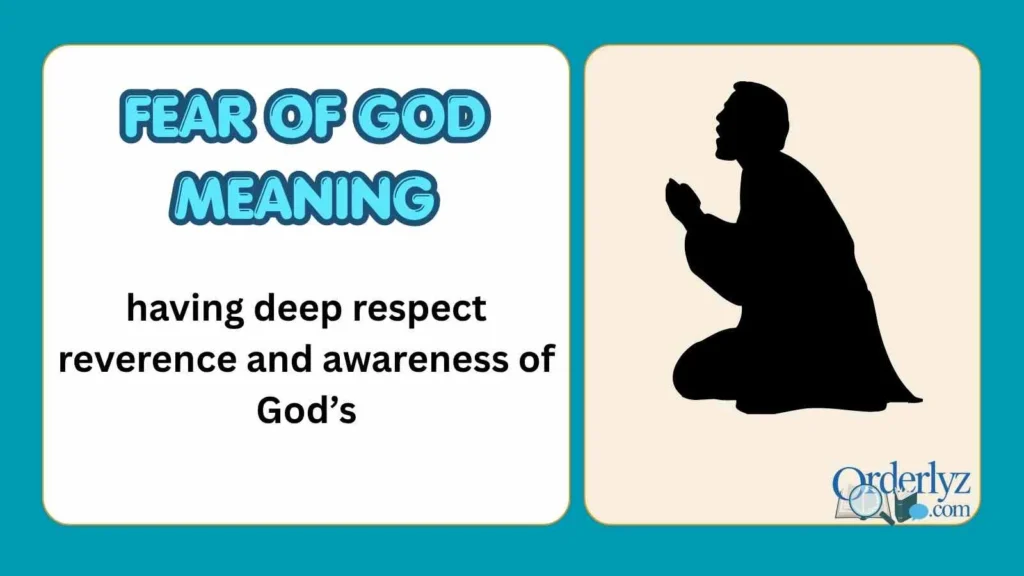
The fear of God meaning usually refers to deep respect, reverence, awe, and obedience toward God rather than literal terror.
In religious settings, especially Christianity and Judaism, the phrase describes recognising God’s power, wisdom, and authority. It’s about spiritual humility — not hiding in panic.
Quick Answer:
“Fear of God” means having deep respect, reverence, and awareness of God’s authority. In modern speech, it can also mean intense fear, discipline, or serious warning.
Origin of the Phrase
The expression comes from ancient religious texts, especially the Bible. Phrases like “fear of the Lord” appear repeatedly in books such as Proverbs, Psalms, and Ecclesiastes.
One of the most quoted verses is:
“The fear of the Lord is the beginning of wisdom.”
Over time, the phrase expanded beyond religion. People started using it casually in everyday conversation to describe strong fear, strict discipline, or intense seriousness.
Today, context matters a lot.
Pronunciation Guide
Fear of God
Pronounced: feer uhv god
Simple. Direct. Powerful.
How the Meaning Changed Over Time
Originally, the phrase focused almost entirely on spirituality and moral living. Modern internet culture added dramatic and humorous uses.
Now you might hear:
- “My coach put the fear of God into us before finals.”
- “That horror movie put the fear of God in me.”
- “My mom’s look alone puts the fear of God into everyone.”
Same phrase. Different emotional flavour.
How to Use “Fear of God” Correctly in Texts & Chat
Using the phrase correctly depends on tone and context.
Sometimes it’s serious and spiritual. Other times it’s playful exaggeration.
Religious Usage
In faith-based conversations, “fear of God” often means the following:
- Respecting divine authority
- Living morally
- Avoiding sinful behavior
- Trusting spiritual wisdom
Example:
“She lives with a true fear of God and treats people kindly.”
This sounds respectful and sincere.
Casual & Modern Usage
Online and in everyday speech, people use it more dramatically.
Example:
“That exam schedule put the fear of God into the whole class. 😭”
Here, nobody literally means religion. It simply means extreme stress or fear.
Platform-Specific Usage
SMS & WhatsApp
Usually emotional or exaggerated.
- “Dad put the fear of God into me after I crashed the car.”
Instagram & TikTok
Often humorous or meme-based.
- “POV: your teacher says ‘surprise test’. Instant fear of God.”
Twitter/X
Used for dramatic commentary or jokes.
- “That electric bill brought me closer to God.”
Discord & Gaming
Common in competitive banter.
- “That boss fight put the fear of God into the squad.”
Often discussed philosophically or religiously in deeper threads.
When NOT to Use It
Avoid using the phrase casually in:
- Professional emails
- Sensitive interfaith discussions
- Formal academic writing
- Serious trauma conversations
Some people view the phrase as deeply sacred, so tone matters.
Formatting Tips
People commonly write it as
- fear of God
- Fear of God
- fear of the Lord
Emoji pairings often include the following:
- 😭
- 😳
- 🙏
- 💀
Real Conversation Examples Using “Fear of God”
Between Friends
Alex: “Bro, my mom found my report card.”
Jay: “Oh nah… she’s about to put the fear of God into you.”
Meaning: dramatic warning mixed with humour.
In a Dating Chat
Mia: “He replied after three days like nothing happened.”
Sara: “I would’ve put the fear of God into him honestly.”
Meaning: Strong emotional reaction or confrontation.
Family Context
Dad: “One more speeding ticket and we’re done.”
Son: “Okay, okay, message received.”
Meaning: Serious discipline and authority.
Workplace Chat
Manager: “Client presentation moved to tomorrow morning.”
Team Member: “That email put the fear of God into me.”
Meaning: Sudden stress or pressure.
Gaming Discord
Player 1: “Did you see the final boss form?”
Player 2: “Yeah, absolute fear of God moment.”
Meaning: Intense shock or intimidation.
Common Mistakes & Misunderstandings
The phrase sounds simple, but people often misunderstand it.
1. Thinking It Means Pure Terror
This is the biggest misconception.
In religious teaching, fear of God rarely means horror-movie fear. It usually means reverence and respect.
That distinction matters.
2. Using It Too Casually
Dropping the phrase into every joke can sound insensitive in religious spaces.
Example:
- Okay among close friends
- Risky in formal or faith-sensitive environments
Know your audience.
3. Confusing It With Weakness
Some assume “fear of God” means being controlled by fear. Traditionally, it actually symbolises wisdom, discipline, humility, and moral awareness.
Generational Differences
Older Generations
Often interpret the phrase spiritually.
Gen Z
More likely to use it humorously or dramatically online.
That gap can create misunderstandings fast.
Cultural Differences
In highly religious communities, the phrase carries strong spiritual weight.
In internet culture, it may simply mean:
- shock
- panic
- pressure
- discipline
- respect
Context changes everything.
“Fear of God” Across Different Platforms & Demographics
The phrase has surprisingly broad reach.
Gen Z Usage
Gen Z often uses “fear of God” ironically or dramatically.
Examples include:
- meme captions
- reaction videos
- gaming streams
- chaotic TikTok storytelling
It’s usually hyperbolic rather than theological.
Millennials
Millennials tend to balance humour and seriousness.
You’ll often see the phrase in:
- parenting jokes
- work memes
- nostalgic religious references
Older Generations
Older adults usually connect the phrase directly to spirituality and morality.
For many, it remains deeply tied to scripture and faith traditions.
TikTok & Instagram Trends
Short-form videos helped revive the phrase in modern slang.
Popular formats include:
- “strict parent” skits
- school anxiety memes
- gym motivation edits
- horror reactions
Is It Formal or Informal?
Mostly informal in modern conversation.
Religious sermons and scripture discussions are exceptions where the phrase becomes formal and spiritual.
Safe for Work?
Usually yes — but context matters.
Avoid sarcastic or exaggerated use in professional settings.
Related Slang, Abbreviations & Alternatives
| Phrase | Meaning |
|---|---|
| Fear of the Lord | Biblical version of the phrase |
| Holy fear | Spiritual reverence |
| Respect authority | Modern simplified equivalent |
| Scared straight | Forced into discipline |
| Terrified | Intense fear |
| In awe | Deep admiration or wonder |
| Humble yourself | Accept authority respectfully |
| Shocked to death | Extreme surprise |
| Panic mode | Sudden fear or stress |
| Reality check | Harsh wake-up moment |
You can also explore related phrases like:
- “Learn more about reverence meaning”
- “Discover humility meaning”
- “Read our guide to conviction meaning.”
Synonyms
- reverence
- awe
- respect
- obedience
Casual Opposites
- recklessness
- disrespect
- arrogance
- carelessness
FAQs:
What is the true meaning of the fear of God?
The true meaning of the fear of God is deep reverence, respect, humility, and obedience toward God. In most religious teachings, it is about wisdom and moral awareness rather than terror or panic.
Does fear of God mean being scared?
Not usually. In spiritual contexts, it means respecting God’s authority and living responsibly. In modern slang, though, people sometimes use it dramatically to describe intense fear or pressure.
What does “put the fear of God into someone” mean?
This expression means to strongly warn, discipline, or scare someone so they take a situation seriously. It’s commonly used in parenting, sports, school, and joking conversations.
Is fear of God positive or negative?
Traditionally, it’s considered positive because it encourages wisdom, humility, discipline, and ethical behaviour. Modern slang usage can sound negative or humorous depending on context.
Why do people use “fear of God” online?
Online users often use the phrase for exaggeration and humour. It appears in memes, reaction posts, gaming chats, and TikTok videos to describe stress, shock, or intense situations.
Is “fear of God” the same as anxiety?
No. Anxiety is an emotional or mental health condition. Fear of God, especially in religion, refers to reverence and moral awareness rather than constant fear or worry.
Conclusion:
The meaning of the fear of God is much deeper than simple fear. In religious traditions, it represents wisdom, reverence, humility, and respect for divine authority.
At the same time, modern internet culture transformed the phrase into a dramatic expression for stress, pressure, shock, or discipline. One phrase. Two worlds. That’s why context matters so much.
Whether you heard it in scripture, a meme, a family conversation, or a viral TikTok clip, understanding the phrase helps you catch both the emotional tone and cultural meaning behind it.
Drop your favourite phrase or internet slang term in the comments below and explore more modern language guides while you’re here.

Hi, I’m Sophia Brownn, the creator behind Orderlyz.com, where words, meanings, and expressions are made simple, clear, and easy to understand.
I believe language shouldn’t feel confusing or overwhelming. In a world where new slang, trends, and expressions appear every day, my goal is to bring order to the chaos. I break down meanings in a way that feels natural, quick, and actually useful in real life conversations.