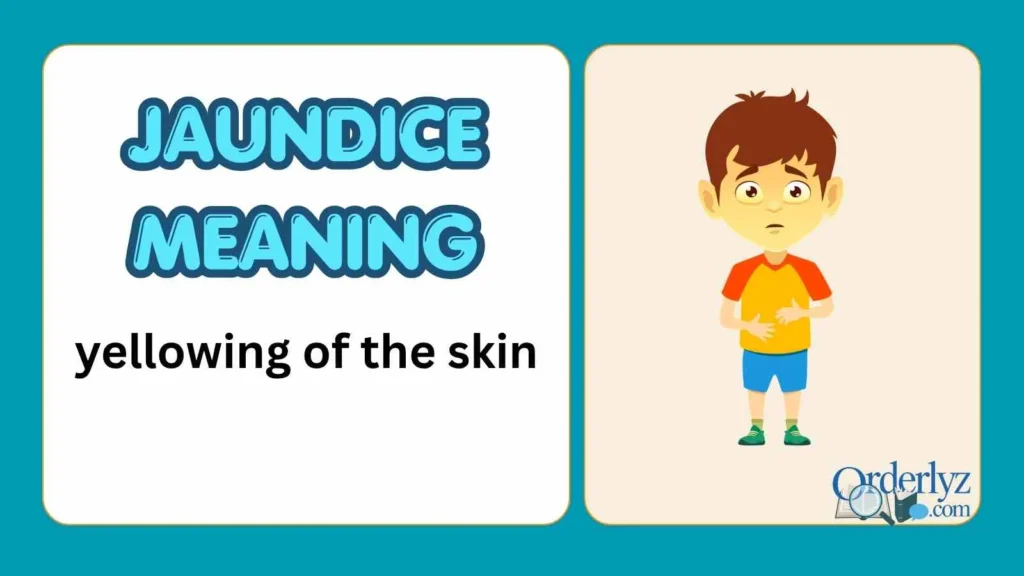
You glance in the mirror one morning and notice your eyes look slightly yellow. Weird, right? Most people instantly search for the jaundice meaning because yellow skin or eyes can seem alarming. And honestly, it should grab your attention.
Jaundice is one of those medical terms people hear often but rarely fully understand. Some think it’s a disease. Others assume it only affects newborn babies. In reality, jaundice is a symptom linked to how your liver processes bilirubin, a yellow pigment in the blood.
Knowing what jaundice means matters more than ever because liver health issues are becoming increasingly common worldwide. Social media health trends, self-diagnosis videos, and confusing internet advice make it easy to misunderstand the condition.
This updated 2026 guide breaks everything down in plain English. You’ll learn what jaundice actually means, what causes it, the warning signs to watch for, treatment options, and how doctors diagnose it. No confusing medical jargon. Just practical, trustworthy information you can actually use
What Does “Jaundice” Mean? (Definition + Origin)
Quick Answer:
Jaundice means yellowing of the skin, eyes, and mucous membranes caused by too much bilirubin in the blood.
The word “jaundice” comes from the French word “jaune”, meaning “yellow”. The condition has been recognised for thousands of years, dating back to ancient Greek and Egyptian medicine.
Pronunciation:
JON-dis
Here’s the simple version: your body naturally breaks down old red blood cells. During this process, bilirubin forms as a yellow waste product. Normally, the liver filters bilirubin and removes it through bile. But when the liver struggles or bile flow gets blocked, bilirubin builds up in the bloodstream.
That’s when the yellow tint appears.
Why the Eyes Turn Yellow First
The whites of the eyes often show jaundice before the skin does because bilirubin collects in tissues rich in elastin. Doctors call this scleral icterus. Fancy term. Simple meaning.
Is Jaundice a Disease?
No. That’s one of the biggest misconceptions.
Jaundice is a symptom, not a disease itself. It signals that something deeper may be happening inside the body.
Causes of Jaundice
The causes of jaundice usually fall into three major categories.
1. Liver Problems
The liver is the main player here. When it’s damaged or inflamed, bilirubin processing slows down.
Common liver-related causes include:
- Hepatitis A, B, or C
- Fatty liver disease
- Cirrhosis
- Alcohol-related liver damage
- Liver cancer
- Medication side effects
2. Blocked Bile Ducts
Bile carries bilirubin out of the body. If something blocks the pathway, bilirubin backs up like traffic during rush hour.
Common blockages include:
- Gallstones
- Pancreatic tumors
- Bile duct inflammation
- Cysts
3. Excess Red Blood Cell Breakdown
Sometimes the body destroys red blood cells too quickly.
This can happen due to:
- Malaria
- Sickle cell disease
- Hemolytic anemia
- Certain genetic disorders
Symptoms of Jaundice
The most obvious symptom is yellow skin or eyes, but it rarely comes alone.
Common Signs of Jaundice
- Yellowing of the eyes
- Yellow skin tone
- Dark urine
- Pale or clay-colored stool
- Fatigue
- Fever
- Abdominal pain
- Nausea
- Loss of appetite
- Itchy skin
Some people also describe feeling unusually tired or mentally foggy.
When to Seek Medical Help Immediately
Seek urgent medical attention if jaundice appears with the following:
- Severe stomach pain
- Confusion
- High fever
- Vomiting blood
- Difficulty breathing
Those symptoms can point to serious liver failure or infection.
Types of Jaundice
Doctors usually classify jaundice into three main types.
Pre-Hepatic Jaundice
This happens before bilirubin reaches the liver.
Cause:
Excessive red blood cell breakdown.
Example:
Haemolytic anaemia.
Hepatic Jaundice
This type happens inside the liver itself.
Cause:
Liver inflammation or damage.
Example:
Hepatitis or cirrhosis.
Post-Hepatic Jaundice
This occurs after bilirubin leaves the liver.
Cause:
Blocked bile ducts.
Example:
Gallstones or tumours.
How Doctors Diagnose Jaundice
Diagnosing jaundice isn’t just about spotting yellow eyes.
Doctors usually combine several tests to identify the root cause.
Common Diagnostic Tests
Blood Tests
These measures:
- Bilirubin levels
- Liver enzymes
- Infection markers
Ultrasound
Helps detect:
- Gallstones
- Liver swelling
- Bile duct blockage
CT Scan or MRI
Used for deeper imaging if doctors suspect tumours or structural problems.
Liver Biopsy
Sometimes a tiny liver tissue sample is examined under a microscope.
Not the most fun procedure in the world, but occasionally necessary.
How to Treat Jaundice
Treatment depends entirely on the cause.
That’s why random internet remedies can be risky.
Treatments for Liver-Related Jaundice
Doctors may recommend:
- Antiviral medications
- Lifestyle changes
- Alcohol avoidance
- Liver-supportive diets
Treatments for Blockages
Gallstones or blocked ducts may require the following:
- Surgery
- Endoscopy
- Stents
Treatments for Blood Disorders
Doctors focus on controlling the underlying blood condition causing bilirubin build-up.
Jaundice in Newborn Babies
Newborn jaundice is incredibly common.
In fact, many babies develop mild yellowing during the first week after birth because their livers are still developing.
Most cases are harmless and temporary.
Signs of Newborn Jaundice
- Yellow face
- Sleepiness
- Difficulty feeding
- Yellow chest or abdomen
Common Treatments
- Frequent feeding
- Light therapy (phototherapy)
- Monitoring bilirubin levels
Parents often panic when they first notice yellow skin. Totally understandable. Thankfully, most newborn cases improve quickly with proper care.
Real-Life Examples of Jaundice Scenarios
Example 1: After a Vacation
Scenario:
Ali returns from a trip feeling exhausted. A few days later, his eyes turn yellow.
What it may mean:
Doctors discover hepatitis A from contaminated food or water.
Emotional takeaway:
Jaundice can sometimes be the first visible clue of an infection.
Example 2: Sudden Pain After Eating
Scenario:
Maria experiences sharp pain after greasy meals and notices dark urine.
What it may mean:
Gallstones blocking the bile duct.
Emotional takeaway:
Digestive symptoms plus jaundice often point toward bile flow problems.
Example 3: Long-Term Alcohol Use
Scenario:
A man who drinks heavily develops yellow skin and swelling in his abdomen.
What it may mean:
Advanced liver disease or cirrhosis.
Emotional takeaway:
Jaundice may appear after years of unnoticed liver damage.
Example 4: Newborn Baby
Scenario:
Parents notice their baby’s face looks yellow under sunlight.
What it may mean:
Typical newborn jaundice.
Emotional takeaway:
Not every case is dangerous, but monitoring matters.
Common Mistakes & Misunderstandings
Mistake 1: Thinking Jaundice Is a Disease
It’s actually a symptom.
That’s like saying “fever” is the disease instead of the warning sign.
Mistake 2: Ignoring Mild Yellow Eyes
Some people wait too long because they feel “mostly fine”.
Liver conditions can quietly worsen over time.
Mistake 3: Assuming Only Babies Get Jaundice
Adults can develop jaundice too, especially from liver disease, gallstones, or infections.
Jaundice Across Different Demographics
Adults
In adults, jaundice often signals liver stress or blockage.
Common risk factors:
- Heavy alcohol use
- Obesity
- Viral infections
- Certain medications
Children
Children may develop jaundice from infections, inherited conditions, or liver disorders.
Older Adults
Older adults face higher risks from:
- Gallstones
- Pancreatic cancer
- Chronic liver disease
Related Medical Terms & Alternatives
| Term | Meaning |
|---|---|
| Bilirubin | Yellow pigment produced during red blood cell breakdown |
| Hepatitis | Liver inflammation |
| Cirrhosis | Severe liver scarring |
| Gallstones | Hardened deposits blocking bile flow |
| Fatty Liver Disease | Fat buildup inside the liver |
| Scleral Icterus | Yellowing of the eyes |
| Hemolytic Anemia | Rapid red blood cell destruction |
| Cholestasis | Reduced bile flow |
| Liver Function Test | Blood test checking liver health |
| Phototherapy | Light treatment for newborn jaundice |
Related Reading Opportunities
- Learn more about hepatitis symptoms
- Explore bilirubin’s meaning
- Understand fatty liver disease
- Discover gallstone warning signs
- Read about liver function tests
FAQs:
What does jaundice mean medically?
Medically, jaundice means yellow discolouration of the skin and eyes caused by excess bilirubin in the bloodstream. It usually points to liver problems, bile duct blockage, or abnormal red blood cell breakdown.
Can jaundice be cured completely?
Yes, many cases can be treated successfully once doctors identify the underlying cause. Mild newborn jaundice often resolves naturally, while adult cases may need medication, surgery, or lifestyle changes.
Is jaundice contagious?
Jaundice itself is not contagious. However, some diseases that cause jaundice, such as viral hepatitis, can spread from person to person.
What foods help reduce jaundice?
Doctors often recommend the following:
- Fruits
- Vegetables
- Lean protein
- Whole grains
- Plenty of water
Avoiding alcohol and heavily processed foods can also help support liver recovery.
How long does jaundice last?
Duration depends on the cause. Newborn jaundice may disappear within days, while liver-related jaundice can last weeks or longer if untreated.
Can stress cause jaundice?
Stress alone usually does not cause jaundice. However, chronic stress may worsen existing liver conditions or unhealthy lifestyle habits linked to liver problems.
Conclusion:
Understanding the jaundice meaning is about more than recognizing yellow skin or eyes. It’s about knowing your body may be signaling an underlying health issue that deserves attention.
Sometimes jaundice is mild and temporary. Other times, it points to serious liver or bile duct conditions that need fast treatment. Either way, ignoring it is never a smart move.
The good news? Modern medicine can diagnose and treat many causes effectively when caught early. If you notice symptoms, getting medical advice quickly can make a huge difference.
Got questions about medical terms that confuse everyone else too? Drop them in the comments and keep exploring more health guides and plain-English explanations.

Hi, I’m Sophia Brownn, the creator behind Orderlyz.com, where words, meanings, and expressions are made simple, clear, and easy to understand.
I believe language shouldn’t feel confusing or overwhelming. In a world where new slang, trends, and expressions appear every day, my goal is to bring order to the chaos. I break down meanings in a way that feels natural, quick, and actually useful in real life conversations.