Ever booked a doctor appointment from your couch while wearing pajamas? That’s modern healthcare in actio
The phrase telehealth meaning has exploded online over the last few years, especially after millions of people started using virtual healthcare during and after the pandemic. What once sounded futuristic is now completely normal. From video doctor visits to online therapy and digital prescription renewals, telehealth has changed the way people access medical care.
And honestly? For busy parents, remote workers, college students, and people living far from hospitals, it’s a game changer.
But many people still confuse telehealth with telemedicine. Others wonder whether it’s actually safe, reliable, or accepted by real doctors. That confusion is exactly why this guide exists.
In this updated 2026 guide, you’ll learn the full telehealth definition, where the term came from, how it works, real examples, benefits, drawbacks, and how different generations use digital healthcare today.
What Does “Telehealth” Mean? Definition + Origin
Quick Answer
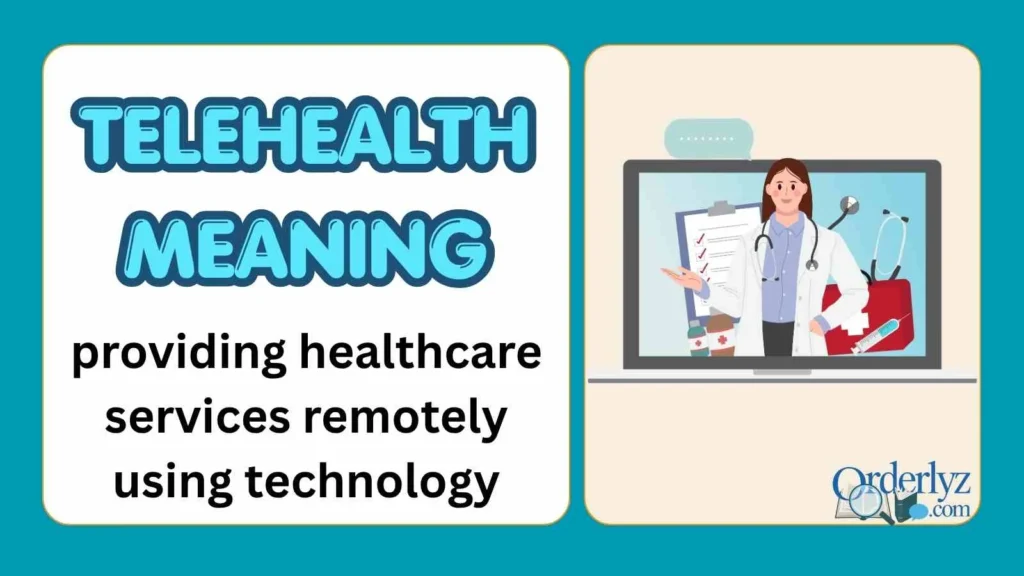
Telehealth means providing healthcare services remotely using technology such as video calls, phone consultations, mobile apps, messaging systems, and online monitoring tools.
The word combines:
- “Tele” meaning distance
- “Health” meaning medical care and wellness
So the literal meaning is healthcare from a distance.
The Simple Definition
Telehealth is a broad healthcare system that allows doctors, nurses, therapists, and specialists to help patients remotely instead of face-to-face.
This can happen through:
- Video appointments
- Phone calls
- Health apps
- Online portals
- Remote monitoring devices
- Text messaging systems
Where Did the Term Come From?
The concept of remote healthcare actually started decades ago. NASA famously experimented with remote health monitoring for astronauts in the 1960s.
But telehealth became mainstream during the COVID-19 pandemic, when hospitals and clinics rapidly shifted toward virtual appointments.
Since then, usage has skyrocketed worldwide.
Pronunciation Guide
Telehealth is pronounced:
tel-uh-helth
How to Use “Telehealth” Correctly in Conversations
Unlike internet slang, telehealth is a professional healthcare term. But people use it casually all the time now.
Common Ways People Use It
- “My doctor switched me to telehealth appointments.”
- “Can we do this consultation through telehealth?”
- “Telehealth made therapy way easier for me.”
Tone and Context
Telehealth usually sounds:
- Professional
- Informative
- Helpful
- Modern
- Convenience-focused
Platform-Specific Usage
SMS or Text Messages
People often shorten discussions:
- “Do they offer telehealth?”
- “I booked a telehealth visit.”
Patients sometimes share appointment links or reminders:
- “Join the telehealth session at 3 PM.”
Instagram & TikTok
Healthcare creators use telehealth content heavily:
- “Telehealth tips for anxiety management”
- “Day in the life of a telehealth nurse”
Reddit & Discord
Users discuss experiences honestly:
- Wait times
- Prescription issues
- Mental health appointments
- Insurance coverage
When NOT to Use It
Avoid using telehealth casually in situations where clarity matters.
For example:
- Emergency situations
- Legal medical documentation
- Severe medical crises requiring physical exams
Telehealth is helpful, but it’s not a replacement for emergency rooms.
Types of Telehealth Services
Many people think telehealth only means Zoom calls with doctors. It’s actually much bigger than that.
1. Video Consultations
The most common type.
Patients talk to doctors through:
- Smartphones
- Tablets
- Laptops
Best for:
- General checkups
- Follow-ups
- Skin issues
- Therapy sessions
2. Phone Consultations
Some healthcare providers still offer voice-only appointments.
Helpful for:
- Seniors
- Rural patients
- People with weak internet
3. Remote Patient Monitoring
Doctors track patient health remotely using devices.
Examples:
- Blood pressure monitors
- Glucose monitors
- Heart trackers
4. Mental Health Teletherapy
One of the fastest-growing telehealth areas.
Patients connect with:
- Therapists
- Psychologists
- Counselors
- Psychiatrists
5. Online Prescription Services
Patients can:
- Renew prescriptions
- Request refills
- Get medication guidance
Without physically visiting a clinic.
Real Conversation Examples Using Telehealth
Between Friends
Alex: “Why didn’t you go to the clinic?”
Sam: “I used telehealth instead. The doctor called me on video.”
Meaning: Convenience and time-saving.
In a Family Chat
Mom: “Grandpa had his telehealth appointment today.”
Daughter: “Nice. That’s easier than driving downtown.”
Meaning: Accessibility for older adults.
At Work
Employee: “I’ll be back in 20 minutes. I have a telehealth therapy session.”
Meaning: Flexible healthcare during busy schedules.
Gaming Friends on Discord
Jake: “You okay?”
Ryan: “Yeah, I used telehealth to talk to a doctor about my migraines.”
Meaning: Quick healthcare access without leaving home.
Dating Scenario
Taylor: “Sorry for the late reply.”
Jordan: “No worries.”
Taylor: “I had a telehealth consultation with my dermatologist.”
Meaning: Casual modern healthcare use.
Benefits of Telehealth
Convenience
Probably the biggest reason people love it.
No:
- Traffic
- Waiting rooms
- Parking stress
Better Access for Rural Areas
Patients living far from hospitals can connect with specialists online.
Huge win.
Faster Mental Health Support
Online therapy has reduced barriers for people who felt nervous about in-person visits.
Reduced Exposure to Illness
Virtual appointments lower exposure to:
- Flu
- COVID
- Other contagious illnesses
Time Savings
Appointments become easier to fit into daily life.
Especially for:
- Parents
- Students
- Remote workers
Common Mistakes & Misunderstandings
Mistake #1: Thinking Telehealth Only Means Video Calls
Nope.
Telehealth also includes:
- Apps
- Monitoring tools
- Phone support
- Messaging systems
Mistake #2: Confusing Telehealth With Telemedicine
People often use them interchangeably.
But:
- Telemedicine = remote clinical treatment
- Telehealth = broader digital healthcare services
Think of telemedicine as one piece of telehealth.
Mistake #3: Assuming Telehealth Replaces All In-Person Care
It doesn’t.
Some situations still require:
- Physical exams
- Blood tests
- Emergency care
- Imaging scans
Telehealth works best alongside traditional healthcare.
Telehealth Across Different Platforms & Demographics
Gen Z
Gen Z loves convenience.
They commonly use telehealth for:
- Mental health
- Skin care
- Quick consultations
TikTok normalized virtual healthcare discussions massively.
Millennials
Millennials often use telehealth because of:
- Busy schedules
- Parenting responsibilities
- Work flexibility
They’re heavy users of therapy apps.
Older Adults
Adoption among seniors increased dramatically after 2020.
However, some still struggle with:
- Apps
- Login systems
- Video setup
Healthcare Professionals
Doctors increasingly use telehealth for:
- Follow-up visits
- Prescription checks
- Chronic condition monitoring
Telehealth vs Telemedicine
Here’s where people get confused.
| Term | Meaning | Scope |
|---|---|---|
| Telehealth | All remote healthcare services | Broad |
| Telemedicine | Remote clinical treatment only | Narrow |
| eHealth | Digital healthcare systems overall | Very broad |
| Virtual Care | Online patient interactions | Medium |
Quick version:
All telemedicine is telehealth.
But not all telehealth is telemedicine.
Related Slang, Terms & Alternatives
| Term | Meaning |
|---|---|
| Telemedicine | Remote medical treatment |
| Virtual care | Online healthcare interaction |
| eHealth | Digital healthcare systems |
| mHealth | Mobile healthcare technology |
| Online consultation | Internet-based doctor appointment |
| Remote monitoring | Tracking health data digitally |
| Digital healthcare | Tech-enabled medical services |
| Virtual therapy | Online mental health counseling |
| Health portal | Patient access website/app |
| Wearable health tech | Smart health-tracking devices |
You can also explore related topics like:
- “What is telemedicine?”
- “Online therapy meaning”
- “Virtual doctor visit explained”
FAQs:
Is telehealth covered by insurance?
Many insurance providers now cover telehealth services, especially for routine consultations and mental health support. Coverage varies depending on your provider and country, so always check your policy details first.
Can telehealth prescribe medication?
Yes, licensed healthcare providers can often prescribe medications through telehealth appointments. However, certain controlled substances may still require in-person evaluations depending on local laws.
Is telehealth good for mental health therapy?
Absolutely. Teletherapy has become one of the most popular forms of online healthcare because it offers privacy, flexibility, and easier access to licensed therapists.
What equipment do I need for telehealth?
Usually, you only need:
- A smartphone, tablet, or computer
- Internet access
- A camera and microphone
Some advanced services may use additional health-monitoring devices.
Is telehealth safe for private medical information?
Most legitimate telehealth platforms use encrypted systems and secure communication tools to protect patient privacy and confidential medical records.
Conclusion:
The modern telehealth meaning goes far beyond simple video calls. It represents a huge shift in how healthcare works in everyday life.
From therapy sessions and prescription renewals to remote monitoring and specialist consultations, telehealth has made healthcare faster, more flexible, and easier to access for millions of people.
And honestly, this trend isn’t slowing down anytime soon.
As technology improves, virtual healthcare will likely become even more personalized and convenient. So whether you’re booking your first online doctor appointment or just trying to understand the buzzword, you now know exactly what telehealth means and why it matters in 2026.
Got a favorite modern healthcare app or telehealth experience? Share it with friends or explore more digital health terms next.

Hi, I’m Sophia Brownn, the creator behind Orderlyz.com, where words, meanings, and expressions are made simple, clear, and easy to understand.
I believe language shouldn’t feel confusing or overwhelming. In a world where new slang, trends, and expressions appear every day, my goal is to bring order to the chaos. I break down meanings in a way that feels natural, quick, and actually useful in real life conversations.