Ever tasted a sauce that was somehow sweet, sour, tangy, and rich all at once? Chances are, tamarind was the secret ingredient. From spicy street food in India to Mexican candies and Thai pad thai, the meaning of tamarind goes far beyond just a fruit name.
These days, people search for “tamarind meaning” for different reasons. Some hear it in recipes. Others spot it in grocery stores or on social media cooking videos. And a few are just curious after tasting that unforgettable sour kick in a snack or drink.
Updated for 2025, this guide breaks down exactly what tamarind means, where it comes from, how it tastes, and why it’s become a global kitchen favourite. You’ll also learn how different cultures use it, common misconceptions, and related food terms worth knowing.
If you’ve ever wondered, “What exactly is tamarind?” — you’re in the right place.
What Does “Tamarind” Mean? (Definition + Origin)
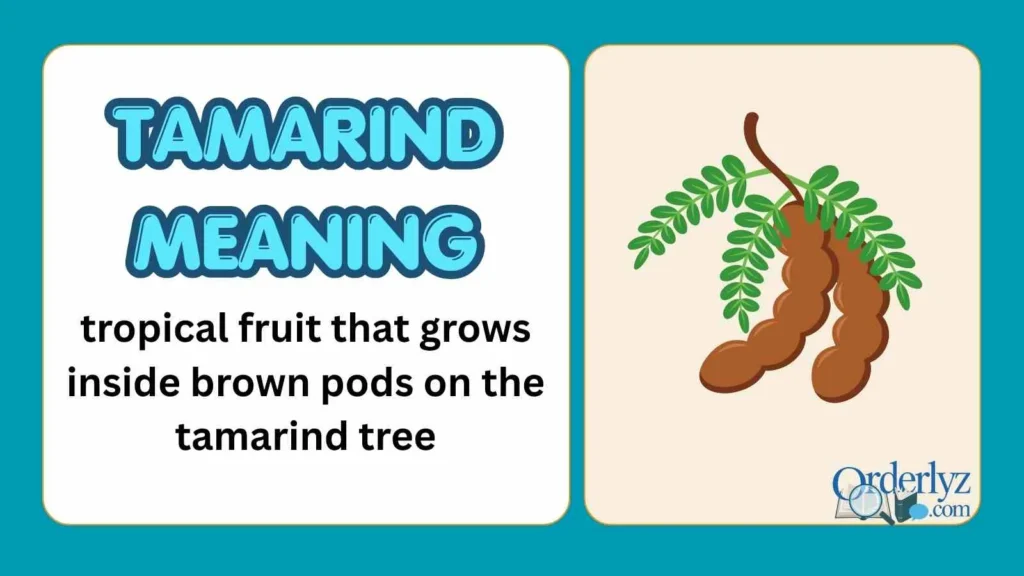
Tamarind is a tropical fruit that grows inside brown pods on the tamarind tree. The fruit pulp is sticky, dark brown, and famous for its bold sweet-and-sour flavour.
Quick Answer: Tamarind is a tangy tropical fruit commonly used in cooking, sauces, candies, drinks, and traditional remedies around the world.
The word “tamarind” comes from the Arabic phrase “tamr hindī”, meaning “Indian date”. Despite the name, historians believe the tree originally came from Africa before spreading across India and Southeast Asia centuries ago.
Today, tamarind is a staple ingredient in many cuisines, especially in the following:
- Indian curries and chutneys
- Thai sauces like pad thai
- Mexican candies and drinks
- Filipino sinigang soup
- Caribbean stews and marinades
Pronunciation Guide
Tamarind is usually pronounced ‘tam-uh-rind’.
TAM-uh-rind
(/ˈtæm.ər.ɪnd/)
Some regional accents slightly soften the “rind” sound, but the standard pronunciation stays pretty consistent worldwide.
How the Meaning Has Evolved
Originally, tamarind simply referred to the fruit itself. Over time, the word also became associated with the following:
- Tamarind paste
- Tamarind concentrate
- Tamarind candy
- Tamarind-flavored sauces and beverages
In modern food culture, “tamarind” often signals a flavour profile: tangy, rich, fruity, and slightly caramel-like.
How to Use “Tamarind” Correctly in Food & Conversation
Unlike internet slang, ‘tamarind’ is mostly used literally — though food lovers often use it casually when describing flavour.
Common Ways People Use the Word
- “This sauce has tamarind in it.”
- “I love tamarind candy.”
- “Pad Thai tastes weird without tamarind.”
- “That drink has a tamarind kick.”
Tone & Context
The word is neutral and safe for all settings. You can use it in:
- Casual chats
- Recipes
- Restaurant menus
- Cooking videos
- Professional culinary discussions
No awkward slang misunderstandings here. Thankfully.
Platform-Specific Usage
On TikTok
Tamarind often appears in the following:
- Recipe hacks
- Candy reviews
- Street food videos
- “Trying sour foods” challenges
On Instagram
You’ll see tamarind mentioned in the following:
- Food captions
- Cocktail recipes
- Travel food reels
- Spice-market photography
On Reddit
Food communities discuss the following:
- Tamarind substitutes
- Homemade paste recipes
- Authentic curry ingredients
- Flavor comparisons
On YouTube
Popular cooking creators frequently explain how tamarind balances sweet, salty, spicy, and sour flavours.
When NOT to Use Tamarind
People sometimes confuse tamarind with the following:
- Tamarind-flavored candy only
- A spice instead of fruit
- A sauce rather than an ingredient
Technically, tamarind is the fruit itself.
What Does Tamarind Taste Like?
This is where things get interesting.
Tamarind has one of the most unique flavour profiles in the food world.
Most people describe it as the following:
- Sour
- Sweet
- Fruity
- Tangy
- Slightly earthy
Imagine a mix of:
- Lemon
- Raisins
- Dates
- Apricot
- Brown sugar
Yeah. It’s complicated in the best way.
The taste also changes depending on ripeness:
- Young tamarind: more sour and acidic
- Ripe tamarind: sweeter and deeper
That balance is exactly why chefs love it.
Real Conversation Examples Using Tamarind
Between Friends
Friend 1: “Why is this candy so sour?”
Friend 2: “It’s tamarind flavour. That’s the whole point.”
Meaning: Tamarind is being referenced as a recognisable sour flavour.
At a Restaurant
Customer: “What gives this sauce that tangy taste?”
Server: “It’s made with tamarind paste.”
Meaning: Tamarind acts as the main souring ingredient.
Family Cooking Scenario
Mom: “Don’t forget the tamarind for the curry.”
Kid: “The brown paste thing?”
Mom: “Yep, that’s the one.”
Meaning: Tamarind is identified as a cooking staple.
Food Review Video
Creator: “This tamarind drink tastes sweet at first, then super tangy.”
Meaning: The speaker is describing tamarind’s layered flavour profile.
Gaming Voice Chat
Player 1: “What snack are you eating?”
Player 2: “Spicy tamarind candy. It’s addictive.”
Meaning: Tamarind appears as a recognisable global snack flavour.
Common Mistakes & Misunderstandings
1. Thinking Tamarind Is a Spice
This is the biggest confusion.
Tamarind is a fruit, not a spice. It’s often used like a seasoning ingredient, which causes the mix-up.
2. Assuming It’s Always Sweet
A lot of first-time tasters expect candy-like sweetness.
Then the sour punch hits. Hard.
Fresh tamarind can be extremely tangy depending on preparation.
3. Confusing Tamarind Paste With Sauce
Tamarind paste is concentrated fruit pulp. It’s used inside sauces, soups, and marinades.
Not the same thing.
Generational Differences
Older generations may know tamarind from traditional cooking, while Gen Z often discovers it through the following:
- Viral snack videos
- TikTok recipes
- Imported candy trends
- Bubble tea shops
Different entry point. Same fruit.
Cultural Differences
In India tamarind is a cooking essential.
In Mexico, it’s heavily associated,with candy and drinks.
In Thailand, it’s key to balancing,flavours in noodles and sauces.
Meaning and usage shift depending on the culture.
Tamarind Across Different Platforms & Demographics
Gen Z Usage
Gen Z mainly encounters tamarind through the following:
- Snack culture
- TikTok food trends
- “Trying international candy” videos
- Street food creators
The word often carries a “bold flavour” reputation online.
Millennials
Millennials are more likely to know tamarind from the following:
- Cooking shows
- Restaurant menus
- Global cuisine trends
- Homemade sauces
Older Generations
Older audiences may associate tamarind with the following:
- Traditional medicine
- Homemade remedies
- Regional cooking
- Cultural dishes
Is Tamarind Formal or Informal?
The word itself is neutral.
You can say “tamarind” in the following:
- A scientific article
- A grocery store
- A casual conversation
- A recipe blog
- A restaurant review
No weird slang rules required.
Viral Food Trends
Tamarind became especially trendy online through the following:
- Mexican tamarind candy challenges
- Spicy-sour snack reviews
- Pad thai tutorials
- Tamarind margarita recipes
- ASMR street food videos
Food TikTok really adopted it fast.
Related Slang, Food Terms & Alternatives
| Term | Meaning |
|---|---|
| Chutney | A flavorful condiment often made with fruits or spices |
| Tamarind Paste | Concentrated tamarind pulp used in cooking |
| Pad Thai | Thai noodle dish commonly made with tamarind |
| Chamoy | Mexican tangy sauce, sometimes containing tamarind |
| Imli | Hindi/Urdu word for tamarind |
| Molasses | Sweet syrup sometimes compared to tamarind’s depth |
| Hibiscus | Another tangy ingredient used in drinks |
| Worcestershire Sauce | Sauce containing tamarind as a key ingredient |
| Sweet-and-Sour Sauce | A flavour profile similar to tamarind dishes |
| Date Fruit | Fruit occasionally compared to tamarind texture |
Synonyms & Similar Flavor Descriptions
People often describe tamarind as the following:
- Tangy
- Tart
- Sour-sweet
- Citrusy
- Fruity-acidic
Natural Internal Link Opportunities
- Learn more about pad thai ingredients
- Explore the meaning of chamoy
- Read our guide to Worcestershire sauce ingredients
- Discover popular Asian street foods
- Compare different tropical fruits
FAQs:
Is tamarind healthy?
Yes. Tamarind contains antioxidants, magnesium, potassium, and natural acids. Many cultures also use it in traditional wellness remedies. Still, sweetened tamarind candies and syrups can contain lots of added sugar.
Is tamarind spicy?
No. Tamarind itself is sour and slightly sweet, not spicy. However, many snacks and sauces combine tamarind with chilli peppers, which creates a spicy-tangy flavour.
Can you eat tamarind raw?
Yes. You can eat ripe tamarind pulp directly from the pod. Some people love the intense sourness, while others prefer it cooked into sauces or drinks.
Why is tamarind used in cooking?
Tamarind adds acidity, depth, and balance to dishes. It helps brighten flavours while also adding a rich fruity note that plain vinegar or lemon juice can’t fully replicate.
What is tamarind called in Urdu or Hindi?
In Urdu and Hindi, tamarind is commonly called ‘imli’. The ingredient is widely used in South Asian cooking, chutneys, candies, and drinks.
Does Worcestershire sauce contain tamarind?
Yes. Traditional Worcestershire sauce includes tamarind as one of its signature ingredients, helping create its distinctive tangy flavour.
Conclusion:
So, what does tamarind’s meaning actually come down to?
At its core, tamarind is a tropical fruit known for its unforgettable sweet-and-sour flavour. But culturally? It’s much bigger than that. It’s a key ingredient in global cuisines, viral snacks, classic sauces, and comfort foods across continents.
Whether you discovered tamarind through TikTok candy reviews, homemade curry recipes, or restaurant menus, you’re now officially in on the secret: this fruit does a lot of heavy lifting in flavour.
And honestly? Once you recognise tamarind’s taste, you start noticing it everywhere.
Got a favourite tamarind snack, drink, or dish? Drop it in the comments below and compare notes with fellow food lovers.

Hi, I’m Sophia Brownn, the creator behind Orderlyz.com, where words, meanings, and expressions are made simple, clear, and easy to understand.
I believe language shouldn’t feel confusing or overwhelming. In a world where new slang, trends, and expressions appear every day, my goal is to bring order to the chaos. I break down meanings in a way that feels natural, quick, and actually useful in real life conversations.