Ever found yourself whispering a quiet wish before an exam, a journey, or a big life decision? That simple, heartfelt moment is closer to what we call ‘dua’ meaning than you might think.
In today’s fast-paced digital world, where communication is often reduced to emojis and short texts, understanding deeper expressions like dua adds emotional and cultural richness to how we connect. Whether you’ve seen the word in messages, captions, or conversations, knowing its true meaning matters more than ever.
This guide breaks down everything—from what ‘dua’ actually means to how it’s used in real-life situations. You’ll also learn when to use it, common misunderstandings, and how different generations interpret it.
Updated for 2025, this is your complete, no-fluff guide to understanding dua in a modern context.
What Does “Dua Meaning” Mean? (Definition + Origin)
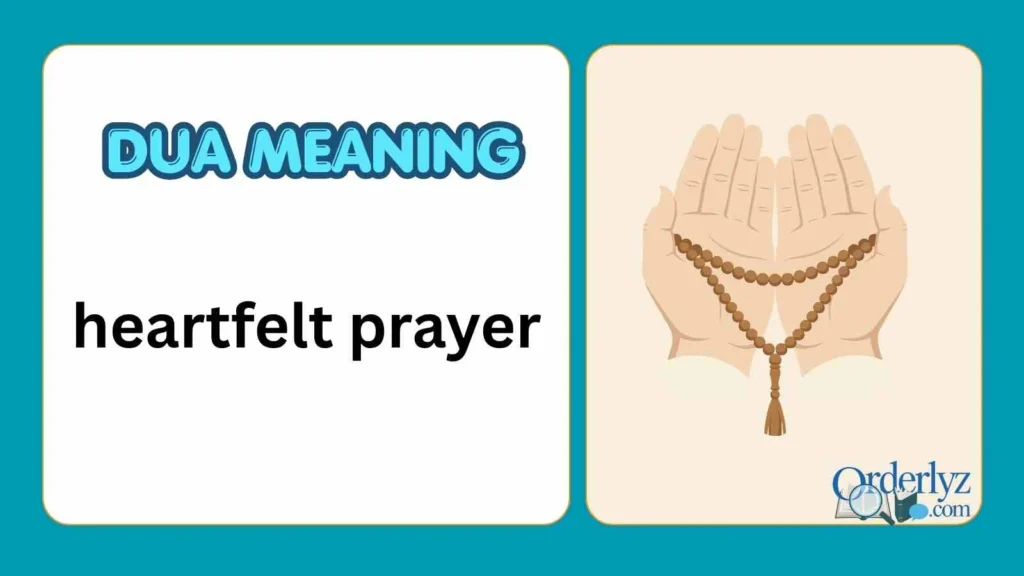
The dua’s meaning is simple yet deeply powerful: it refers to a personal prayer or supplication made directly to God.
Unlike formal rituals, dua is spontaneous and comes straight from the heart.
Quick Answer:
‘Dua’ means a personal, heartfelt prayer where someone asks God for help, guidance, or blessings in any situation.
Origin & Background
The word “dua” comes from Arabic, where it literally means “to call” or “to invoke”. It has been a core spiritual practice for centuries, especially within Islamic traditions.
Originally rooted in religious contexts, the use of dua has expanded culturally. Today, people may use it in conversations, messages, or even social media captions to express hope, care, or goodwill.
Evolution Over Time
- Traditional use: Religious supplication
- Modern use: Emotional expression (e.g., “Make dua for me”)
- Digital era: Seen in texts, comments, and hashtags
Pronunciation
‘Dua’ is pronounced as ‘doo-ah’.
How to Use “Dua Meaning” Correctly in Texts & Chat
Using dua correctly depends on context, tone, and platform.
Tone & Context
Dua is usually
- Emotional
- Supportive
- Hopeful
- Spiritual
It’s often used when:
- Someone needs help or success
- You want to show care
- You’re expressing hope for a positive outcome
Platform-Specific Usage
- WhatsApp/SMS: “Please make dua for my exam tomorrow.”
- Instagram: “Keep me in your duas 🤍”
- Twitter/X: “Big day ahead… need your duas!”
- Discord/Reddit: Less common, but still used in cultural communities
When NOT to Use It
Avoid using dua.
- In formal business emails
- In purely secular or professional settings
- Sarcastically (can come off disrespectful)
Formatting Tips
- Lowercase is common: “dua”
- Plural form: “duas”
- Emoji pairings: 🤲✨💫
Real Conversation Examples Using “Dua Meaning”
1. Between Friends
A: “I have my results tomorrow.” 😬
B: “Don’t worry, I’ll make dua for you!”
👉 Shows emotional support and encouragement.
2. In a Family Chat
Mom: “Your dad has a meeting today.”
You: “Insha Allah it goes well. Making dua!”
👉 Expresses hope and faith.
3. Dating Scenario
Person A: “I hope this works out between us.”
Person B: “Same here… I’m making dua for us. 🤍”
👉 Adds sincerity and emotional depth.
4. Work Chat (Casual Team)
Colleague: “Big presentation today!”
You: “Good luck! Sending positive vibes and dua your way.”
👉 Blends professional support with cultural expression.
5. Gaming Chat
Player 1: “Final round… we need this win!”
Player 2: “Alright, making dua now 😂”
👉 Light-hearted, slightly humorous usage.
Common Mistakes & Misunderstandings
1. Thinking Dua Is Only Religious
While rooted in religion, dua is often used casually to express hope or support.
2. Using It Sarcastically
This can offend people, especially those who view it as sacred.
3. Confusing It With Formal Prayer
Dua is informal. It’s not the same as structured prayer rituals.
Generational Differences
- Gen Z: Uses it casually in texts and memes
- Millennials: Balanced use (spiritual + casual)
- Older generations: Primarily religious context
Cultural Differences
In South Asian and Middle Eastern communities, dua is widely used in daily speech. In Western contexts, it may be less common or misunderstood.
“Dua Meaning” Across Different Platforms & Demographics
Gen Z Usage
- Casual and frequent
- Often paired with emojis
- Used in captions and comments
Millennials
- More intentional use
- Often tied to real-life situations
Older Generations
- Deep spiritual significance
- Less casual usage
Platform Trends
- TikTok: Seen in captions and emotional videos
- Instagram: Popular in stories and posts
- Discord: Used in niche communities
Is It Safe for Work?
Generally informal. Safe in casual conversations but not in strict professional environments.
Related Slang, Abbreviations & Alternatives
Here are similar expressions you might see:
- InshaAllah – “If God wills”
- MashAllah – Expressing admiration
- Alhamdulillah – Gratitude
- Ameen – “May it be accepted.”
- Prayers up – Modern English equivalent
- Sending good vibes – a secular alternative
- Blessings – Spiritual but broader
- Hope so – Casual alternative
- Fingers crossed – Light, non-religious
FAQs:
What does ‘dua’ mean in simple words?
Dua simply means asking God for help, guidance, or blessings in a personal and heartfelt way. It’s not formal—you can say it anytime, anywhere.
Can non-Muslims use the word dua?
Yes, but it’s important to use it respectfully. Many people use it culturally to express hope or support.
Is dua always religious?
Mostly, but not always. In modern usage, it can also express emotional support or goodwill.
What is the difference between dua and salah?
Salah is a structured, formal prayer performed at specific times. Dua is informal and can be made anytime.
How do you respond when someone asks for dua?
You can say:
- “Of course, I will.”
- “You’re in my duas.”
- “May it go well for you.”
Conclusion:
Understanding ‘dua’ meaning goes beyond just knowing a word—it opens a window into emotion, culture, and human connection.
At its core, dua is about sincerity. It’s that quiet hope, that unseen support, that moment of asking for something bigger than yourself.
Whether you use it in a message, a conversation, or a personal moment, it carries weight. And now, you know exactly how and when to use it.
So next time someone says “make dua for me”, you’ll know it’s more than just words—it’s trust.
Got a favourite expression like this? Drop it below and keep the conversation going.

Hi, I’m Sophia Brownn, the creator behind Orderlyz.com, where words, meanings, and expressions are made simple, clear, and easy to understand.
I believe language shouldn’t feel confusing or overwhelming. In a world where new slang, trends, and expressions appear every day, my goal is to bring order to the chaos. I break down meanings in a way that feels natural, quick, and actually useful in real life conversations.