Ever stumbled across a comment online that said, “This is kinda guro,” and paused for a second? You’re not alone. Internet slang evolves fast, and some terms—like ‘guro’ meaning—come from very specific subcultures that aren’t immediately obvious to everyone.
In today’s hyper-connected world, understanding niche slang isn’t just about curiosity—it helps you navigate conversations, avoid awkward misunderstandings, and stay culturally aware. Some terms are harmless. Others, like this one, require a bit more caution.
This guide (updated for 2026) breaks down exactly what “guro” means, where it comes from, and how people actually use it online. You’ll also see real examples, common mistakes, and whether you should even use it at all.
What Does ‘guro’ Mean? (Definition + Origin)
Definition:
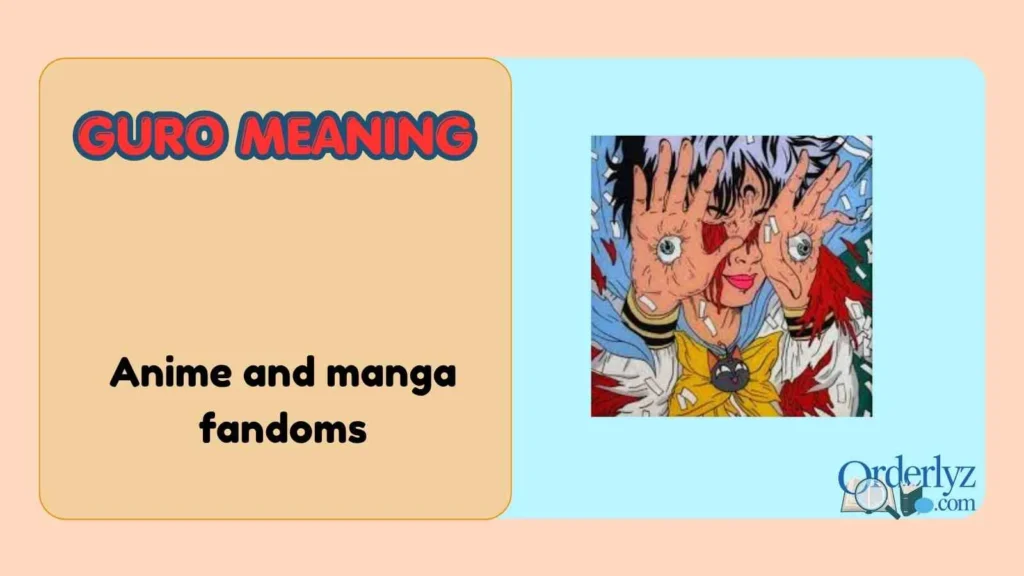
‘Guro’ refers to graphic, grotesque, or disturbing content, often associated with horror themes—especially in anime, manga, or digital art.
Quick Answer
“Guro” means graphic or disturbing horror content, usually involving extreme or grotesque imagery, often from Japanese media.
Origin & Etymology
The term “guro” comes from the Japanese word “grotesque” (グロテスク / gurotesuku). Over time, it was shortened to “guro” in online communities.
It became popular through:
- Anime and manga fandoms
- Underground art communities
- Online forums like Reddit and Discord
Evolution of Meaning
Originally tied to a Japanese artistic movement called “ero guro” (erotic grotesque), modern internet usage has shifted. Today, it’s mostly used as shorthand for the following:
- Graphic horror art
- Disturbing visuals
- Extreme fictional content
Pronunciation
Guro = Goo-roh (soft “g”, short and quick)
How to Use “guro” Correctly in Texts & Chat
Using ‘guro’ meaning correctly is less about grammar—and more about context.
Tone & Context
“Guro” is:
- Informal
- Niche
- Potentially sensitive
It’s often used to warn others or describe content.
Platform-Specific Usage
- Discord: “Heads up, that image is kinda guro.”
- Reddit: “This thread contains guro content.”
- Twitter/X: Used in content warnings (#guro)
- Instagram: Rare, due to content restrictions
- WhatsApp/SMS: Very uncommon unless among close friends
When to Use It
✔ In niche communities (anime, horror art)
✔ As a content warning
✔ When discussing media critically
When NOT to Use It
✖ In professional settings
✖ Around people unfamiliar with the term
✖ In casual everyday conversation
Formatting Tips
- Usually lowercase: guro
- Often paired with warnings: “guro warning”
- Emojis are rare (due to serious tone)
Real Conversation Examples Using “guro”
1. Between Friends (Anime Fans)
A: “Did you watch that new episode?”
B: “Yeah… it got really guro at the end.”
👉 Meaning: The content became graphic or disturbing.
2. In a Group Chat
User1: “Check out this art!”
User2: “Just a warning—it’s a bit gory.”
👉 Meaning: A heads-up about disturbing visuals.
3. Dating Chat
A: “What kind of shows do you like?”
B: “Mostly horror, but not the super guro stuff.”
👉 Meaning: Prefers horror but avoids extreme content.
4. Gaming Community
Player 1: “That boss scene was intense.”
Player2: “Yeah, kind of guro, honestly.”
👉 Meaning: The scene had graphic elements.
5. Reddit Discussion
User: “This manga is great but very guro.”
👉 Meaning: Warning readers about disturbing content.
Common Mistakes & Misunderstandings
1. Thinking It Means “Cool” or “Funny”
It doesn’t. Using it that way can confuse—or alarm—people.
2. Using It Casually Everywhere
This isn’t a mainstream slang term like “LOL”. It’s niche and sensitive.
3. Generational Confusion
- Gen Z: More likely to recognize it (in fandoms)
- Millennials: May understand from anime exposure
- Older generations: Usually unfamiliar
4. Cultural Misunderstandings
Outside anime communities, the term can sound obscure or inappropriate. Always consider your audience.
5. Not Explaining It
If someone asks what it means, don’t assume they know—clarify gently.
“guro” Across Different Platforms & Demographics
Who Uses It?
- Anime fans
- Digital artists
- Horror enthusiasts
- Niche online communities
Platform Trends
- TikTok: Rare due to moderation rules
- Instagram: Limited usage
- Discord/Reddit: Most common
- Twitter/X: Seen in content warnings
Formality Level
- Highly informal
- Not workplace-safe
- Context-dependent
Viral Influence
The term gained traction through the following:
- Anime fandom growth
- Online horror art trends
- Global sharing of Japanese media
Related Slang, Abbreviations & Alternatives
Here are similar or related terms:
- NSFW – Not safe for work (general warning)
- Dark content – Broad, safer alternative
- Horrorcore – Extreme horror style
- Creepypasta – Internet horror stories
- Edgy – Provocative or shocking content
- Graphic – Explicit visuals
- Disturbing – Emotional reaction descriptor
- Gothic – Dark aesthetic (less extreme)
- Macabre – Artistic focus on death
- Shock content – Designed to provoke
👉 Tip: Use “graphic” or “disturbing” if you want a safer, more widely understood alternative.
FAQs;
What does guro mean in anime?
In anime, “guro” refers to scenes or art that include graphic, violent, or grotesque imagery. It’s often used to describe extreme horror elements that may not be suitable for all viewers.
Is guro a bad word?
Not exactly, but it carries heavy and sensitive meaning. It’s not offensive by itself, but it can refer to disturbing content, so it should be used carefully.
Can I use ‘guro’ in normal texting?
You can—but only if the other person understands it. Otherwise, it may confuse or concern them. It’s best kept within niche communities.
Why do people use guro warnings?
To alert viewers about graphic or disturbing content. It helps people decide whether they want to view something or avoid it.
Is guro the same as horror?
No. Horror is a broad genre, while guro specifically refers to extreme, graphic, or grotesque elements within that genre.
Conclusion
The guro meaning isn’t your everyday slang—it lives in a very specific corner of internet culture. It’s tied closely to anime, horror, and artistic communities where content can get intense.
Understanding it helps you navigate those spaces more confidently. But using it? That depends on your audience. In the wrong setting, it can feel out of place—or even uncomfortable.
If you remember one thing: “guro” = graphic, disturbing content. Use it thoughtfully.
Curious about more internet slang? Drop your favourite abbreviation below—or explore more trending terms and stay ahead of the curve.

Hi, I’m Sophia Brownn, the creator behind Orderlyz.com, where words, meanings, and expressions are made simple, clear, and easy to understand.
I believe language shouldn’t feel confusing or overwhelming. In a world where new slang, trends, and expressions appear every day, my goal is to bring order to the chaos. I break down meanings in a way that feels natural, quick, and actually useful in real life conversations.