Imagine receiving a text that says, “Hola, mamita, how are you today?” If Spanish isn’t your first language, you might wonder whether it’s a compliment, a flirtatious message, or something entirely different.
Understanding the mamita meaning is important because the word appears everywhere—from everyday conversations and family gatherings to TikTok videos, Instagram comments, Latin music lyrics, and WhatsApp chats. Yet many people misunderstand what it actually means.
The interesting part is that Mamita can be sweet, affectionate, respectful, playful, romantic, or even slightly teasing depending on who says it and why.
This updated guide explains exactly what ‘mamita’ means, where it comes from, how native speakers use it, and what someone may be trying to communicate when they call you ‘mamita’. You’ll also see real-life examples, cultural nuances, and common misunderstandings that many articles overlook.
Updated for 2026 and beyond.
What Does Mamita Mean?
Quick Answer
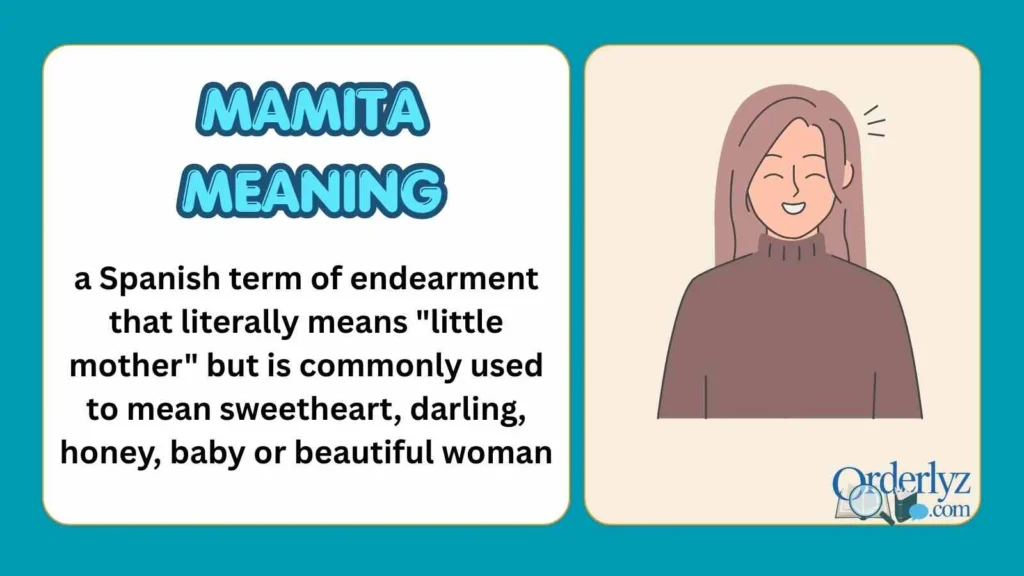
‘Mamita’ is a Spanish term of endearment that literally means “little mother” but is commonly used to mean “sweetheart”, “darling”, “honey”, “baby”, or “beautiful woman”, depending on the context.
Simple Definition
The word comes from:
- Mamá = Mom or mother
- ‘-ita’ = A Spanish diminutive suffix that adds affection or tenderness
Together, ‘mamita’ literally means:
“Little mother” or “dear mama”.
However, native speakers rarely use it literally. Instead, it usually expresses warmth, affection, admiration, or closeness.
Pronunciation
‘Mamita’ is pronounced:
mah-MEE-tah
The emphasis falls on the second syllable.
How the Meaning Evolved
Historically, Spanish speakers used mamita within families as an affectionate term for daughters, mothers, and loved ones.
Over time, the word expanded beyond family relationships. Today, it can appear:
- Between romantic partners
- Between parents and children
- Among friends
- In Latin music
- In social media comments
- In everyday conversation
Its emotional tone often matters more than its literal translation.
How to Use Mamita Correctly in Texts and Chat
Unlike internet abbreviations, mamita isn’t a shorthand expression. It’s a term of affection.
Common Emotional Tones
Mamita can sound:
- Loving
- Protective
- Caring
- Romantic
- Flirtatious
- Playful
- Encouraging
Text Message Examples
“Good morning, mamita ❤️”
Meaning: affectionate and romantic.
“You got this, mamita!”
Meaning: supportive and encouraging.
“How’s your day going, Mamita?”
Meaning: warm and friendly.
Platform-Specific Usage
Extremely common among family members and couples.
Often appears in comments:
“Looking beautiful, mamita 🔥”
TikTok
Used in captions, comments, and trending Latin content.
X (Twitter)
Appears in memes, jokes, and affectionate conversations.
Discord
Less common unless users are Spanish-speaking.
When Not to Use Mamita
Avoid using mamita:
- In professional emails
- During business meetings
- With people who may find it overly familiar
- In formal academic writing
Cultural context matters significantly.
Real Conversation Examples Using Mamita
Between Romantic Partners
Alex: Good luck with your interview today, mamita.
Sofia: Thank you! I needed that.
Meaning: Affection, emotional support, and intimacy.
Between Parent and Child
Mother: Come eat dinner, mamita.
Daughter: I’m coming!
Meaning: Warm family affection.
Between Friends
Friend 1: You look amazing today, mamita.
Friend 2: Stop, you’re too sweet!
Meaning: Friendly admiration and encouragement.
Social Media Comment
Comment: Mamita, you’re absolutely glowing in these photos.
Meaning: Complimenting someone’s appearance.
Playful Conversation
Person A: I finished the project early.
Person B: That’s my mamita!
Meaning: Pride, encouragement, and affection.
What Does Mamita Mean From a Guy?
This is one of the most searched questions online.
When a guy calls someone mamita, it can mean:
Romantic Interest
Many men use ‘mamita’ similarly to:
- Baby
- Honey
- Darling
- Sweetheart
Flirtation
Sometimes it signals attraction.
Example:
“You’re looking gorgeous today, mamita.”
Affection Without Romance
In some Latin cultures, people use mamita naturally without romantic intentions.
The relationship determines the meaning.
What Does Mamita Mean From a Girl?
Women frequently use ‘mamita’ as well.
Examples include:
- Mother to daughter
- Sister to sister
- Friend to friend
- Woman to another woman
In these situations, ‘mamita’ often means:
- Sweetie
- Dear
- Honey
- Lovely
There is usually no romantic implication.
Common Mistakes and Misunderstandings
Mistake #1: Assuming It Always Means “Mom”
The literal translation causes confusion.
Native speakers often use mamita without any connection to motherhood.
Mistake #2: Assuming It Is Always Romantic
Not necessarily.
Many people use it platonically.
Mistake #3: Ignoring Cultural Differences
A phrase that sounds affectionate in one country may feel flirtatious in another.
Understanding local customs helps avoid misunderstandings.
Mamita Across Different Platforms and Demographics
Gen Z
Uses ‘mamita’ in:
- TikTok comments
- Instagram captions
- Messaging apps
Often playful and expressive.
Millennials
Use it in both family and romantic settings.
Older Generations
Frequently use it with children and relatives.
Is It Safe for Work?
Generally, no.
While not offensive, it is highly informal and personal.
Professional communication usually requires more neutral language.
Related Slang, Nicknames, and Alternatives
| Term | Meaning |
|---|---|
| Mamacita | Attractive woman, sweetheart |
| Mi Amor | My love |
| Cariño | Darling |
| Corazón | Sweetheart |
| Bebé | Baby |
| Reina | Queen |
| Princesa | Princess |
| Querida | Dear |
| Mi Vida | My life |
| Hermosa | Beautiful |
Synonyms
- Sweetheart
- Darling
- Honey
- Baby
- Love
Opposite Tone
There isn’t a direct antonym, but formal alternatives include:
- Ma’am
- Miss
- Madam
Cultural Context You Should Know
One reason Mamita remains popular is that Spanish-speaking cultures often embrace affectionate language more openly than English-speaking cultures.
Words like:
- Mamita
- Papito
- Mi amor
- Corazón
are woven into daily conversations.
A direct English translation often misses the emotional warmth behind the expression.
That’s why context matters more than dictionary definitions.
FAQs:
Is ‘mamita’ a romantic word?
Sometimes. It can be romantic between partners, but it is also commonly used among family members and friends.
What’s the difference between ‘mamita’ and ‘mamacita’?
Mamita is generally broader and more affectionate. Mamacita often places more emphasis on attractiveness or flirtation.
Can I call someone ‘mamita’ if I don’t speak Spanish?
You can, but understanding the cultural context is important. Some people appreciate it, while others may find it overly familiar.
Is Mamita respectful?
Usually yes. The tone and relationship between speakers determine whether it feels respectful or inappropriate.
Why do Latin songs use mamita so often?
The word conveys affection, admiration, attraction, and emotional warmth, making it popular in music and entertainment.
Does ‘mamita’ mean ‘beautiful’?
Not literally. However, it is often used alongside compliments and can imply admiration or attraction.
Final Thoughts:
The ‘mamita’ meaning goes far beyond its literal translation of “little mother”. In modern Spanish, it’s a versatile term of affection that can mean ‘sweetheart’, ‘darling’, ‘baby’, ‘dear’, or ‘beautiful woman’ depending on context.
What makes Mamita unique is its emotional flexibility. The same word can sound nurturing between family members, romantic between partners, and encouraging among friends.
Whenever you hear or read ‘mamita’, pay attention to who is saying it, where they’re from, and the relationship involved. Those details reveal the true meaning behind the word.
Explore More Meaning Guides
- Mamacita Meaning
- Mi Amor Meaning
- Corazón Meaning
- Papito Meaning
- Cariño Meaning

Hi, I’m Sophia Brownn, the creator behind Orderlyz.com, where words, meanings, and expressions are made simple, clear, and easy to understand.
I believe language shouldn’t feel confusing or overwhelming. In a world where new slang, trends, and expressions appear every day, my goal is to bring order to the chaos. I break down meanings in a way that feels natural, quick, and actually useful in real life conversations.