Ever heard someone jokingly say, “What are you, a leprechaun?” Or seen tiny green-clad characters popping up every March? The leprechaun’s meaning goes way deeper than just a festive mascot.
Rooted in ancient Irish folklore, leprechauns have evolved from mystical shoemakers guarding hidden gold to pop culture icons—and even playful slang in modern conversations. But here’s the twist: not everyone uses the term correctly, and sometimes it can land awkwardly depending on context.
In this guide (Updated for 2025), you’ll discover what a leprechaun really is, where the myth came from, how people use it today, and how to avoid common misunderstandings. Whether you’re curious about folklore or just trying to decode a joke in chat, you’ll walk away with clarity—and maybe a bit of Irish magic too.
What Does “Leprechaun” Mean? (Definition + Origin)
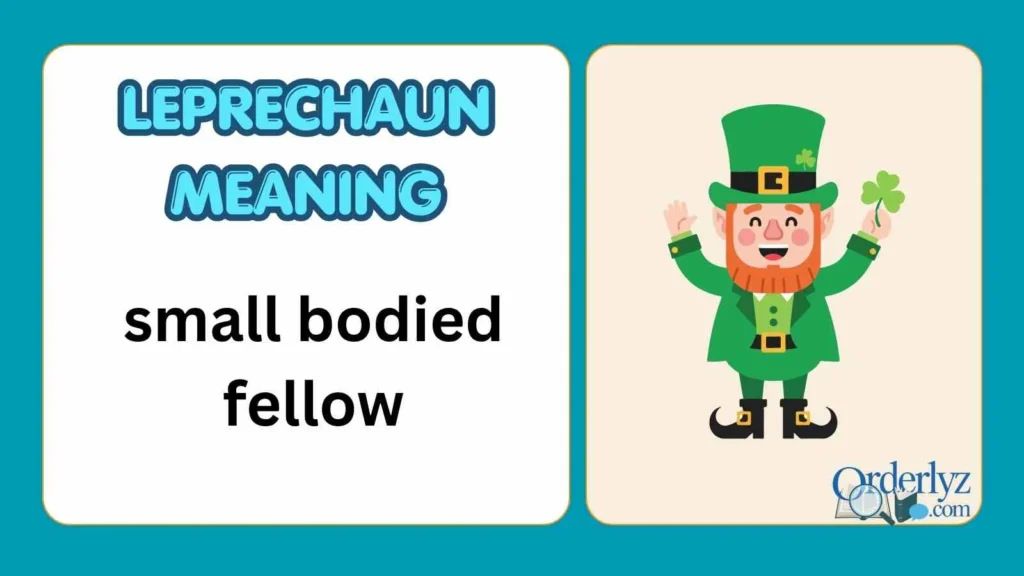
A leprechaun is a mythical fairy from Irish folklore, typically portrayed as a small, bearded man who works as a shoemaker and hides a pot of gold.
Quick Answer:
A leprechaun is a mischievous Irish fairy known for guarding hidden treasure and granting wishes if captured.
Origin & Etymology
The word “leprechaun” comes from the Irish term “leipreachán”, meaning “small-bodied fellow”. These creatures date back centuries in Irish mythology, long before they became symbols of luck and rainbows.
Originally, leprechauns were considered solitary fairies—not friendly mascots. They were clever tricksters who avoided humans and protected their gold fiercely.
Evolution Over Time
- Ancient Folklore: Mysterious, cunning, and not always friendly
- 19th Century Tales: Popularized in literature and storytelling
- Modern Era: Cartoonish, cheerful, and tied to luck and celebration
Pronunciation
Lep-reh-kon (leh-pruh-kon)
How to Use “Leprechaun” Correctly in Texts & Chat
The word isn’t just for folklore—it shows up in casual conversation too.
Tone & Context
- Playful
- Humorous
- Light teasing
- Sometimes sarcastic
Where You’ll See It
- WhatsApp/SMS: “Bro found money again—total leprechaun 😂”
- Instagram captions: “Feeling lucky like a leprechaun 🍀.”
- Discord/gaming: “Stop hoarding loot like a leprechaun!”
When to Use It
✔ When joking about luck
✔ When describing someone mischievous
✔ Around festive occasions like St Patrick’s Day
When NOT to Use It
✖ In professional emails
✖ In serious conversations
✖ When referring to someone’s ethnicity or identity (can be offensive)
Formatting Tips
- Lowercase in casual text: leprechaun
- Emoji pairings: 🍀🌈💰
- Avoid overuse—it loses its charm quickly
Real Conversation Examples Using “Leprechaun”
Between Friends
A: “How do you always win raffles?”
B: “Guess I’m a leprechaun.” 🤷♂️
➡️ Implies playful bragging about luck
In a Group Chat
Friend 1: “Who took all the snacks?”
Friend 2: “Probably Ali hiding them like a leprechaun.”
➡️ Suggests sneaky behavior
Dating Scenario
Text: “You’ve got that lucky charm vibe… low-key leprechaun energy. 😄”
➡️ Flirty and humorous tone
Family Context
Mom: “Where did the missing money go?”
Kid: “Maybe a leprechaun took it!”
➡️ Light-hearted excuse
Gaming Chat
Player: “Why are you hoarding all the coins?”
Reply: “Because I’m the team leprechaun.” 💰
➡️ Suggests greed but in a fun way
Common Mistakes & Misunderstandings
1. Assuming It’s Always Positive
Not always. Calling someone a leprechaun can sound mocking if misused.
2. Cultural Sensitivity Issues
Some people see it as a stereotype tied to Irish identity. Context matters.
3. Confusing Myth vs. Mascot
Many think leprechauns are purely cheerful figures, but folklore paints them as tricksters.
How to Clarify
If someone looks confused:
- “I meant lucky, not literally 😄.”
- “Just joking about your gold stash!”
“Leprechaun” Across Different Platforms & Demographics
Gen Z
Uses it ironically or humorously, often tied to memes or luck.
Millennials
More familiar with traditional meaning and festive use.
Older Generations
See it mostly as folklore or a cultural symbol.
Platform Trends
- TikTok: Used in memes about luck or short people jokes
- Instagram: Aesthetic captions with 🍀
- Reddit: Folklore discussions and myth explanations
- Discord: Gaming humor about gold/loot
Formality Level
Highly informal. Not workplace-friendly.
Related Slang, Abbreviations & Alternatives
| Term | Meaning |
|---|---|
| Lucky charm | Someone who brings luck |
| Gold digger | Someone seeking wealth (negative tone) |
| Trickster | Mischievous character |
| Elf | Another mythical small being |
| Gremlin | Naughty or chaotic figure |
| Fortune magnet | Someone always lucky |
| Pixie | Playful magical creature |
| Sneaky | Quietly mischievous |
| Hoarder | Someone who collects excessively |
FAQs:
What does ‘leprechaun’ mean in modern slang?
In slang, it refers to someone lucky, mischievous, or obsessed with money—usually in a playful tone. It’s not a strict definition but depends on context and humour.
Are leprechauns always associated with Ireland?
Yes, they originate from Irish folklore and remain strongly tied to Irish culture, especially during celebrations like St Patrick’s Day.
Why do people say leprechauns guard gold?
Folklore describes them as treasure keepers who hide pots of gold and trick humans who try to steal it.
Can I call someone a leprechaun?
You can, but keep it light-hearted. Avoid using it in a way that could be culturally insensitive or offensive.
What is the personality of a leprechaun?
They’re typically clever, tricky, secretive, and independent—more mischievous than friendly in traditional stories.
Conclusion:
The leprechaun meaning blends myth, culture, and modern humour in a fascinating way. What started as a cunning fairy in Irish folklore has turned into a global symbol of luck—and, occasionally, a playful nickname.
Used correctly, it adds charm and humour to conversations. Used carelessly, it can confuse or offend. Context is everything.
Next time you hear “leprechaun”, you’ll know exactly what it means—and when to use it.
👉 Got a favourite slang word you want decoded next? Drop it in the comments!